#HealthCities Lund Innovation District
As part of exploring the best European practices in healthcare and life sciences development within the “Health and Life Sciences Industries' Growth through Cities Alliances (Health Cities)” project, implemented under the Interreg Europe programme and co-financed by the European Union, we continue to explore innovative solutions that support regional ecosystems, research, entrepreneurship, and technological development.
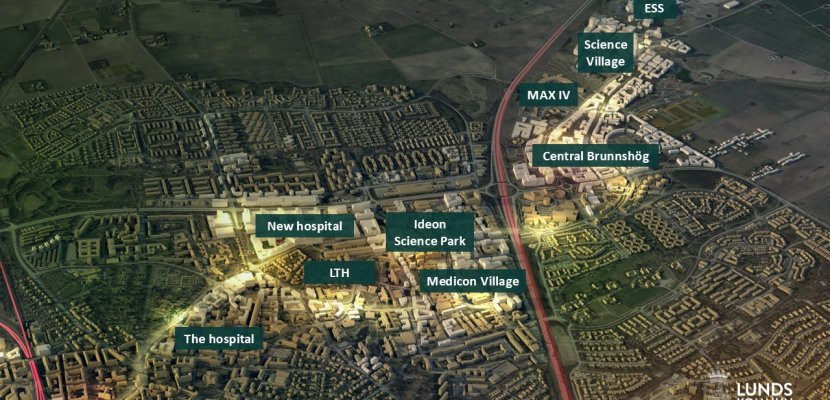
One of these inspiring practices is the Lund Innovation District in the Swedish city that brings together universities, research centres, companies, public authorities, and innovation environments to foster new ideas, technologies, and businesses.
Lund is an important centre of knowledge and innovation in Sweden. The city is home to major research infrastructures such as the MAX IV Laboratory and the European Spallation Source (ESS). Their presence creates additional opportunities for scientific cooperation, technological development, and attracting international researchers and companies.
A key element of the innovation district is the interaction between research and business. Combining academic knowledge, advanced research infrastructure, and an entrepreneurial environment helps transform research results into new products, services, and technological solutions.
For the Life Sciences sector, such an ecosystem is particularly important, supporting the development of medical technologies, biotechnology, research, and healthcare innovation. At the same time, the concentration of talent, knowledge, and companies creates opportunities for international cooperation and regional economic development
Learn more about the practice: https://www.interregeurope.eu/good-practices/lund-innovation-district-1
“Health and Life sciences industries’ growth through cities alliances (Health Cities)” project is implemented under the Interreg Europe Program, funded by the European Union. The contents of this publication are the sole responsibility of the author. The management of the Interreg Europe Program is not responsible for any information contained in this publication