#SmartTour Smart tourism through cultural heritage: the experience of Tuzla
Within the framework of the project “Smart Tourism – Smart Destinations: Accessibility, Sustainability, Digitalisation, Cultural Heritage and Creativity (Smart Tour)”, implemented under the Interreg Europe programme, we continue exploring best European practices in the development of sustainable and creative tourism.
One of these inspiring examples is the city of Tuzla (Bosnia and Herzegovina), which successfully reimagined its industrial heritage and transformed it into a powerful tourism asset. The foundation of this transformation is the city’s unique salt heritage, which has shaped its identity and development for centuries.
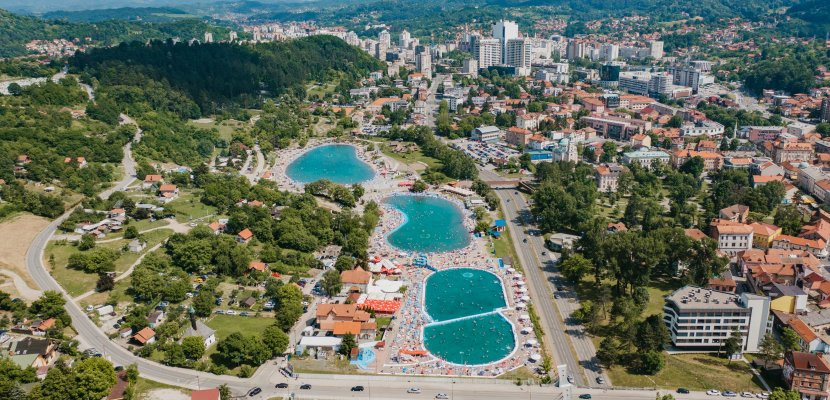
Through a strategic approach, Tuzla managed to integrate the history of salt production into a modern tourism product. The city created unique tourist attractions centred around its salt heritage, including the famous salt lakes located in the city centre, which have become one of the region’s main symbols and a popular leisure destination for both residents and visitors.
In addition to developing tourism infrastructure, Tuzla actively promotes its cultural heritage through festivals, cultural events, educational initiatives, and modern city branding strategies. This approach has not only increased the city’s tourist attractiveness but also improved the quality of urban spaces and strengthened the local economy.
The Tuzla practice demonstrates how even industrial heritage can become the basis for creating an innovative and sustainable tourist destination. The combination of cultural heritage, creativity, and modern governance has helped the city build a new image and create an attractive environment for both locals and tourists.
Tuzla’s experience is a great example of how unique local identity and cultural resources can become a driving force for sustainable tourism development and urban regeneration.
Smart Tourism - Smart Destinations: Accessibility, Sustainability, Digitalisation, Cultural Heritage & Creativity (Smart Tour) project is implemented under the Interreg Europe Program, funded by the European Union. The contents of this publication are the sole responsibility of the author. The management of the Interreg Europe Program is not responsible for any information contained in this publication.